












































BENJAMIN LEROUX
Benjamin Leroux
Benjamin Leroux was born in Beaune in 1975, above a flower shop his parents kept “La Violette” on the Place Carnot with no family domaine waiting at the end of his childhood. He was drawn to wine anyway. At fifteen he enrolled at the lycée viticole, to his grandmother's quiet horror, and spent his first internship with Pascal Marchand then among the very few in Burgundy speaking openly about biodynamics and lower sulfur, when most cellars still sterilised their barrels by reflex. The lesson took. He had the case for organic farming clear in his mind before he left school.
A deliberately wide education followed Pinot and Chardonnay at Domaine Drouhin in Oregon, an oenology degree in Dijon, the discipline of the blend at Cos d'Estournel in Bordeaux, and a harvest of industrial Sauvignon Blanc in New Zealand that taught him never to make Sauvignon Blanc again. Then, in 1999, at twenty-four, he was handed Domaine du Comte Armand in Pommard and its monopole Clos des Épeneaux, succeeding Marchand on Marchand's own recommendation. “I was the apprentice, then I was the boss,” he says. He stayed fifteen vintages.
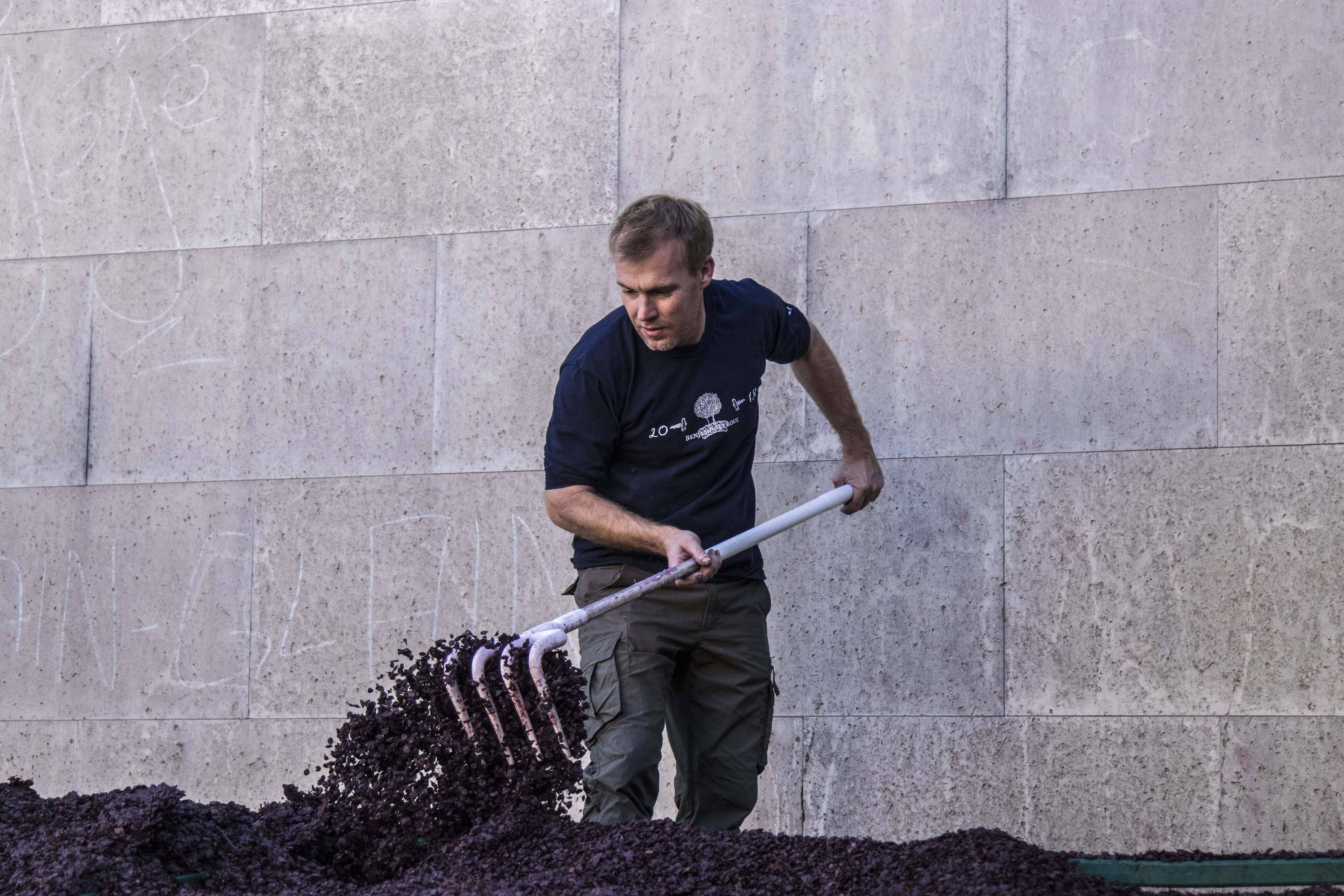
Benjamin Leroux was born in Beaune in 1975, above a flower shop his parents kept “La Violette” on the Place Carnot with no family domaine waiting at the end of his childhood. He was drawn to wine anyway. At fifteen he enrolled at the lycée viticole, to his grandmother's quiet horror, and spent his first internship with Pascal Marchand then among the very few in Burgundy speaking openly about biodynamics and lower sulfur, when most cellars still sterilised their barrels by reflex. The lesson took. He had the case for organic farming clear in his mind before he left school.
A deliberately wide education followed Pinot and Chardonnay at Domaine Drouhin in Oregon, an oenology degree in Dijon, the discipline of the blend at Cos d'Estournel in Bordeaux, and a harvest of industrial Sauvignon Blanc in New Zealand that taught him never to make Sauvignon Blanc again. Then, in 1999, at twenty-four, he was handed Domaine du Comte Armand in Pommard and its monopole Clos des Épeneaux, succeeding Marchand on Marchand's own recommendation. “I was the apprentice, then I was the boss,” he says. He stayed fifteen vintages.
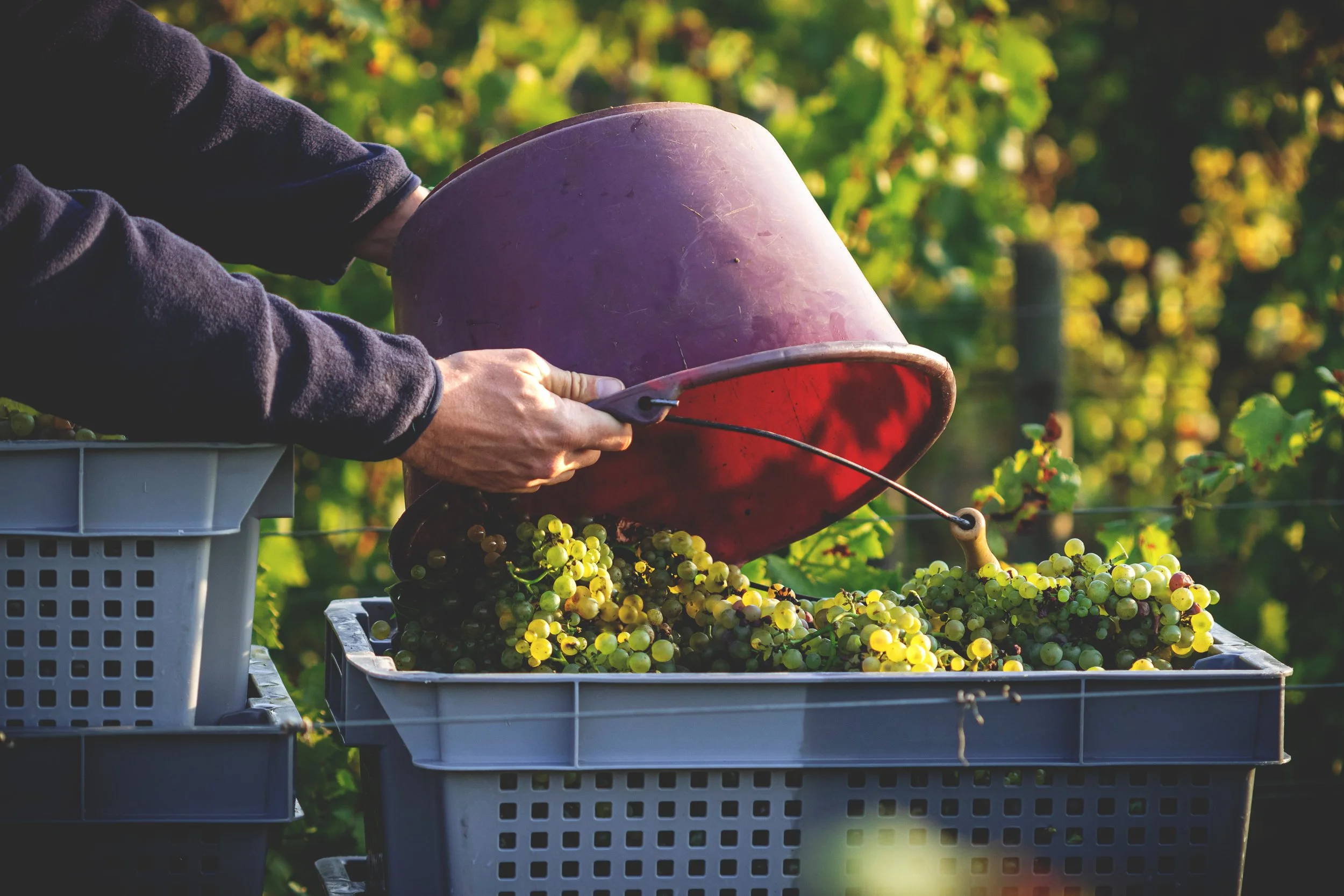
His own label arrived sideways. A small négoce he had begun for the Comte in 2001 buying fruit in Auxey-Duresses and Meursault taught him that he could make serious wine without owning a single row of vines, and in 2007 he went to the Comte and asked not for more money but for the freedom to start something of his own. It was granted. He found his cellar almost by accident: a nineteenth-century Beaune building that had been the house of Jaboulet-Vercherre, taken practically on sight, with his first child due and the harvest already close. It was far too large for one man, so he filled it with others Lafon's négoce first, then Potel, Rossignol until by 2016 he no longer needed the company.
He farmed organically and biodynamically from the start, though he waited years to certify; organic certification came only in 2016. A neglected vineyard, he points out, gives nothing for the first two seasons and takes five or six years to truly turn, whatever the paperwork says. Biodynamics he treats as conviction rather than method. “It is a philosophy, not a technique,” he says; what he values most is what it does to a team, teaching them to watch the whole environment and resist the easy answer. He will not chase biodynamic certification, because a recipe followed to the letter is the opposite of the attention he is after.
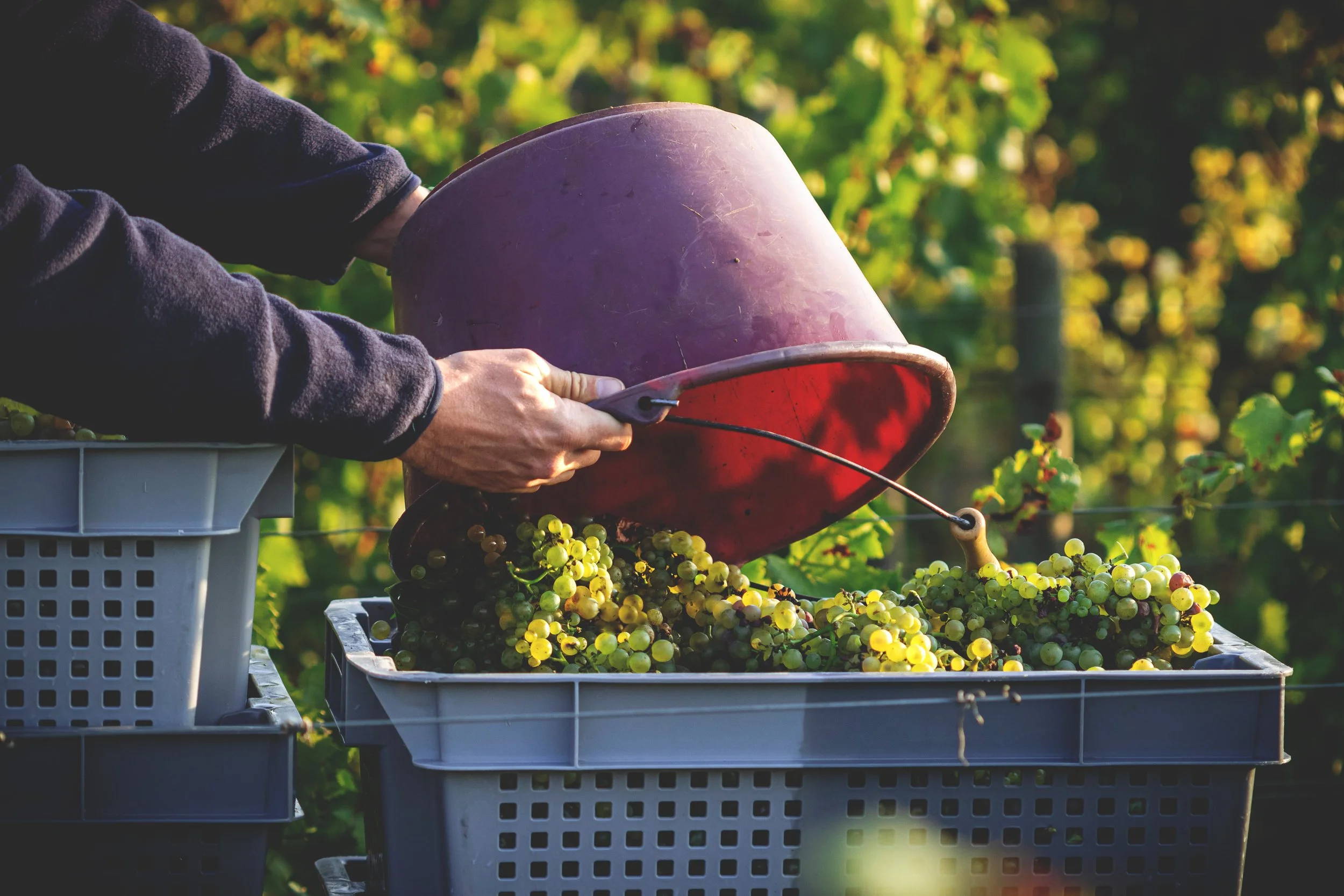
His own label arrived sideways. A small négoce he had begun for the Comte in 2001 buying fruit in Auxey-Duresses and Meursault taught him that he could make serious wine without owning a single row of vines, and in 2007 he went to the Comte and asked not for more money but for the freedom to start something of his own. It was granted. He found his cellar almost by accident: a nineteenth-century Beaune building that had been the house of Jaboulet-Vercherre, taken practically on sight, with his first child due and the harvest already close. It was far too large for one man, so he filled it with others Lafon's négoce first, then Potel, Rossignol until by 2016 he no longer needed the company.
He farmed organically and biodynamically from the start, though he waited years to certify; organic certification came only in 2016. A neglected vineyard, he points out, gives nothing for the first two seasons and takes five or six years to truly turn, whatever the paperwork says. Biodynamics he treats as conviction rather than method. “It is a philosophy, not a technique,” he says; what he values most is what it does to a team, teaching them to watch the whole environment and resist the easy answer. He will not chase biodynamic certification, because a recipe followed to the letter is the opposite of the attention he is after.
In the cellar the whites are pressed as whole bunches, uncrushed, through a pneumatic press across a cycle of roughly three hours; with room to spare, he lets the juice settle anywhere from a few hours to two full days before fermentation begins on ambient yeast alone, with ten parts per million of sulfur or none at all. They age twelve to twenty-two months across deliberately mixed cellar steel, barrels and foudres of varying size and stave, never more than thirty percent new wood with fining trials run as a matter of course and as often as not set aside, and filtration mostly avoided. Since 2019 they are closed under Diam.
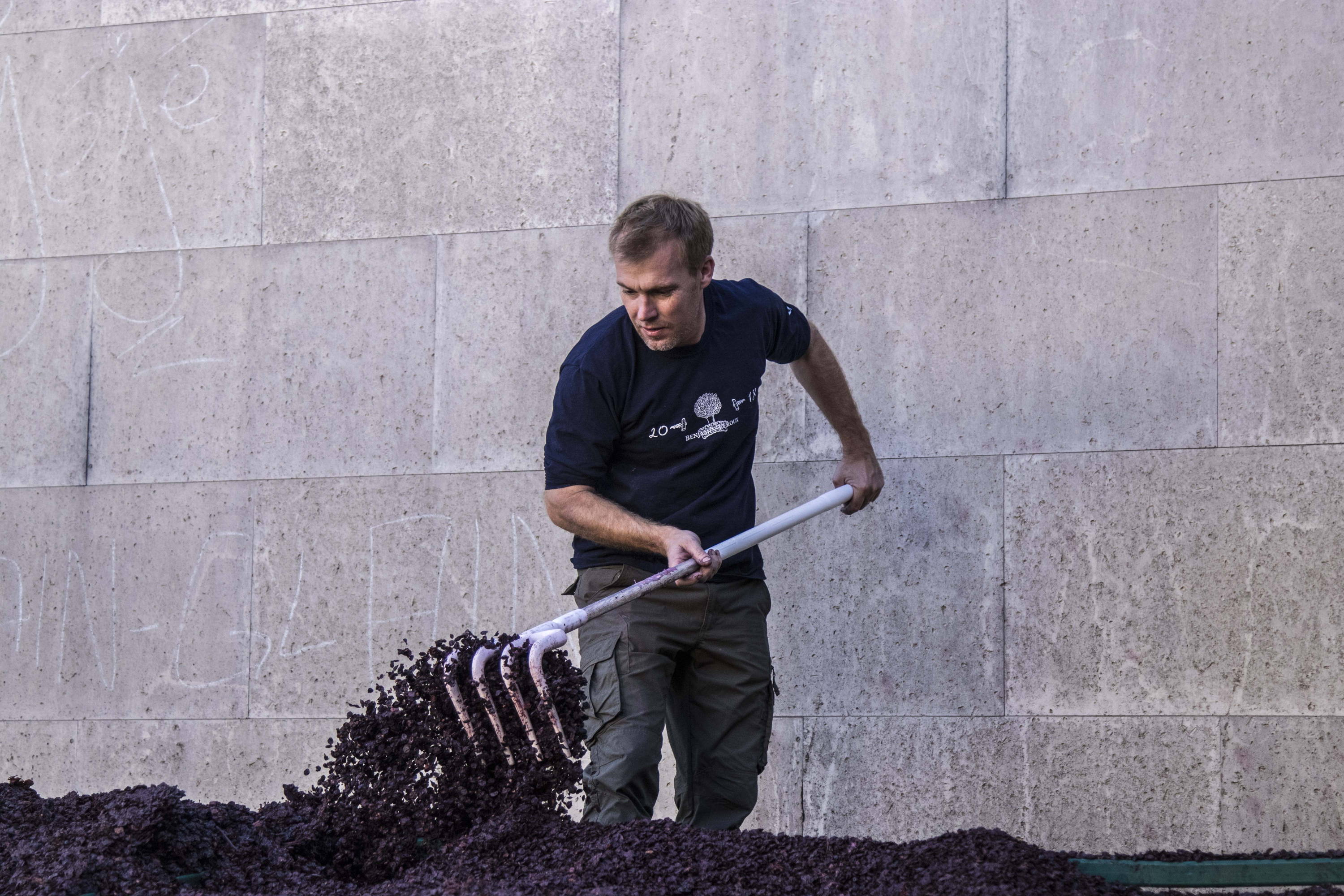
The reds run anywhere from no whole cluster to eighty percent of it, the proportion settled bunch by bunch at the sorting table. Cooled to fifteen degrees and fermented wild, they are worked by feel three to five pump-overs and punch-downs in all, decided by taste rather than the clock, a tank sometimes left untouched for days. They too age up to twenty-two months in mostly older oak, are almost never fined or filtered, and are sealed under natural cork. Sulfur stays low throughout, forty to fifty parts per million at bottling.
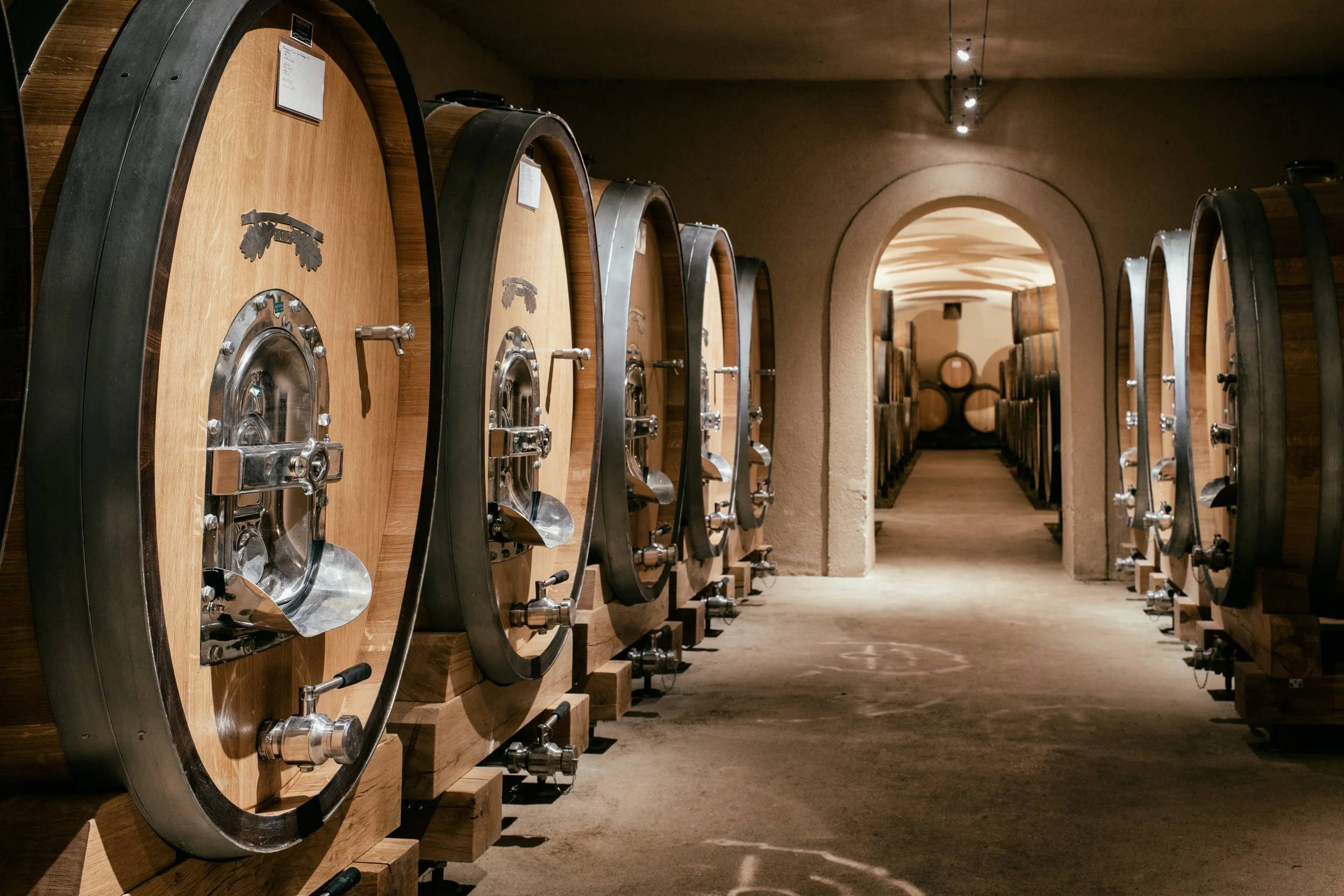
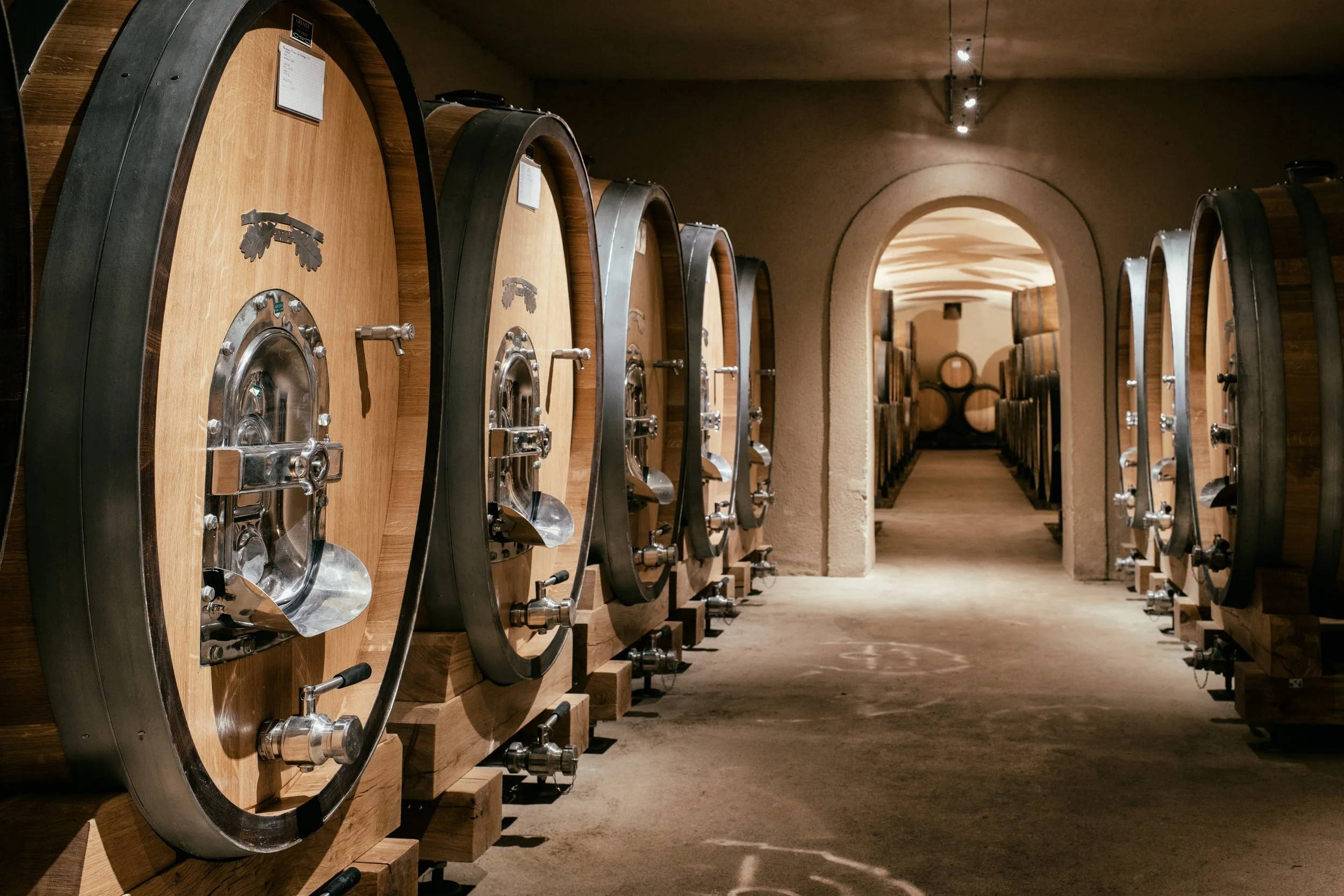
In the cellar the whites are pressed as whole bunches, uncrushed, through a pneumatic press across a cycle of roughly three hours; with room to spare, he lets the juice settle anywhere from a few hours to two full days before fermentation begins on ambient yeast alone, with ten parts per million of sulfur or none at all. They age twelve to twenty-two months across deliberately mixed cellar steel, barrels and foudres of varying size and stave, never more than thirty percent new wood with fining trials run as a matter of course and as often as not set aside, and filtration mostly avoided. Since 2019 they are closed under Diam.
The reds run anywhere from no whole cluster to eighty percent of it, the proportion settled bunch by bunch at the sorting table. Cooled to fifteen degrees and fermented wild, they are worked by feel three to five pump-overs and punch-downs in all, decided by taste rather than the clock, a tank sometimes left untouched for days. They too age up to twenty-two months in mostly older oak, are almost never fined or filtered, and are sealed under natural cork. Sulfur stays low throughout, forty to fifty parts per million at bottling.
Today Leroux vinifies around thirty hectares, of which roughly eight are his own, farmed to his own standard; the first of them was a sliver of Bâtard-Montrachet, sixteen ares bought in 2009 hardly “mere,” for all its smallness. The range is almost absurd in its reach, from Chassagne-Montrachet to Gevrey-Chambertin, every tier of the hierarchy represented, and yet some of the wines his admirers love best come from the unfashionable corners. Take Blagny, high and cool on its white marl, giving reds and whites with a rebellious freshness that quietly upstages grander neighbours.
It is the right note to end on, because it is a fair portrait of the man: classical to the bone, one of the most respected winemakers of his generation, and beneath all of it faintly unconforming, quick to a joke, and impossible not to like.
REGION OF PRODUCTION
Burgundy - France
APPELLATION
Meursault, Saint-Romain, Nuits-Saint-Georges, Gevrey-Chambertin, Vosne-Romanée, Echezeaux, Corton
FOUNDED
2007
VINEYARD
30 hectares
CLIMATE
Continental climate
SOIL COMPOSITION
Clay & Limestone
VARIETIES GROWN
Pinot Noir, Chardonnay
AGRICULTURE
Organic