



















Login

DOMAINE DU CELLIER AUX MOINES

Famille Pascal
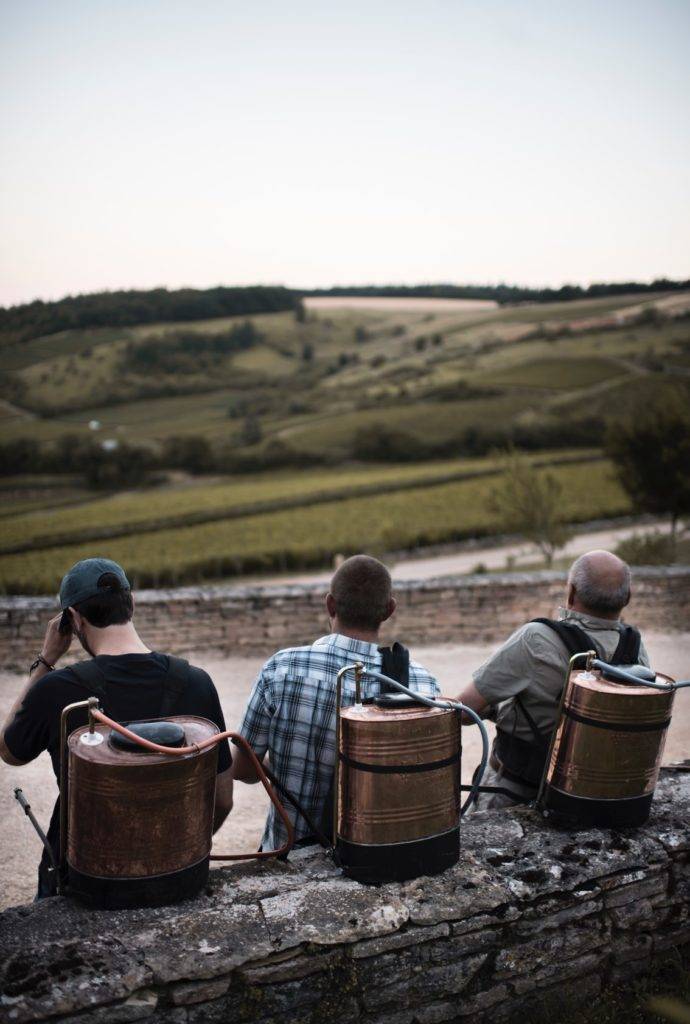
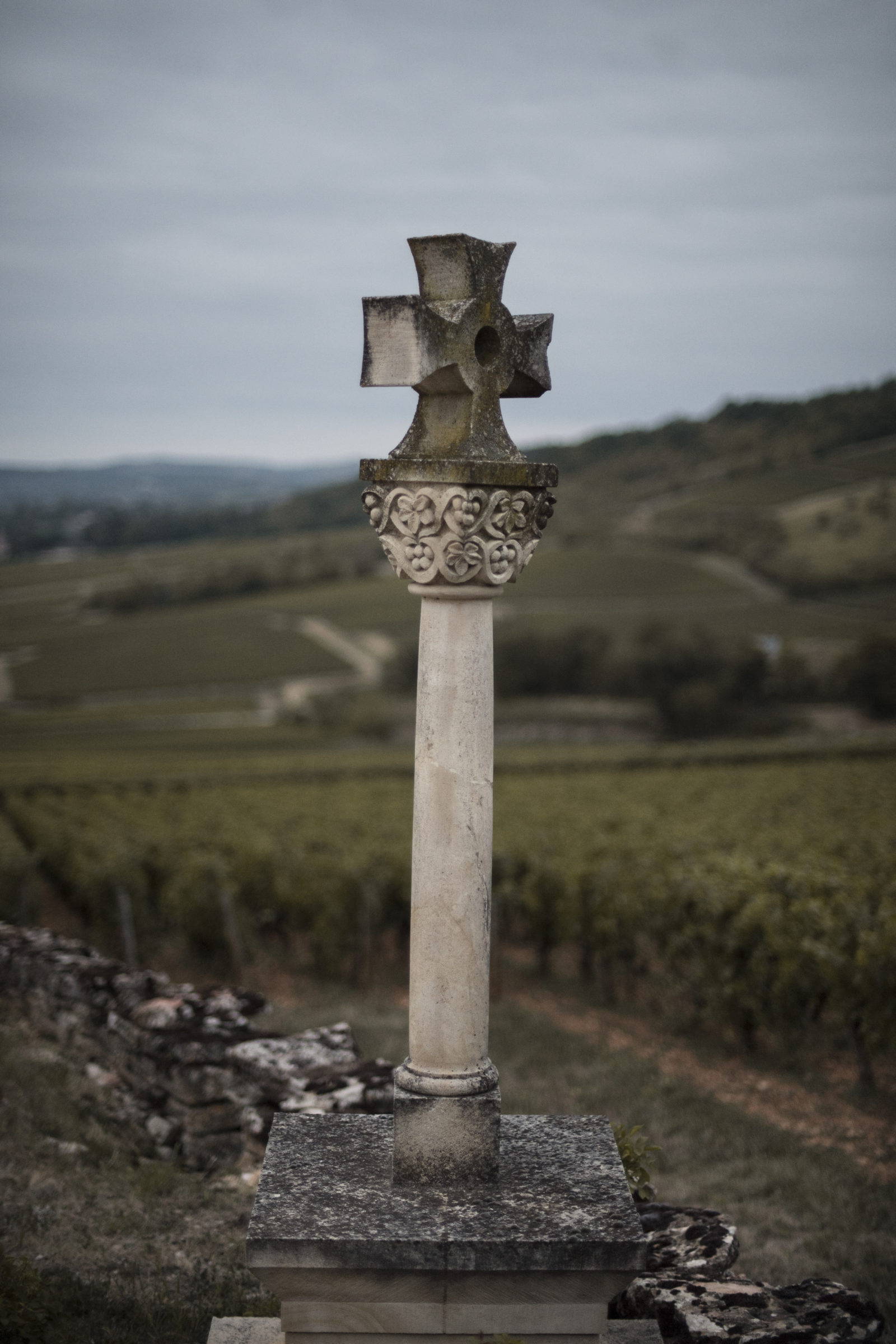
Domaine du Cellier aux Moines stands among the oldest and most compelling wine estates in Burgundy. Founded around 1130 by Cistercian monks of the Abbey of La Ferté, the estate was a viticultural center for nearly seven centuries, its name Cellier aux Moines a testament to its monastic heritage.

Over time, the estate changed hands and purpose, passing into private ownership after the French Revolution. In 2004, Philippe and Catherine Pascal, together with their children Camille, Marguerite, and Alexis purchased the historic property and began a meticulous restoration that breathed new life into both the vineyards and the ancient stone buildings. 

Under Philippe Pascal’s leadership, Cellier aux Moines has become a powerhouse for thoughtful, terroir‑driven Burgundies. Pascal a former executive in the luxury wine and spirits world has poured resources and energy into revitalizing the vineyards, replanting with superior Pinot Noir selections, and restoring the estate’s historic architecture.

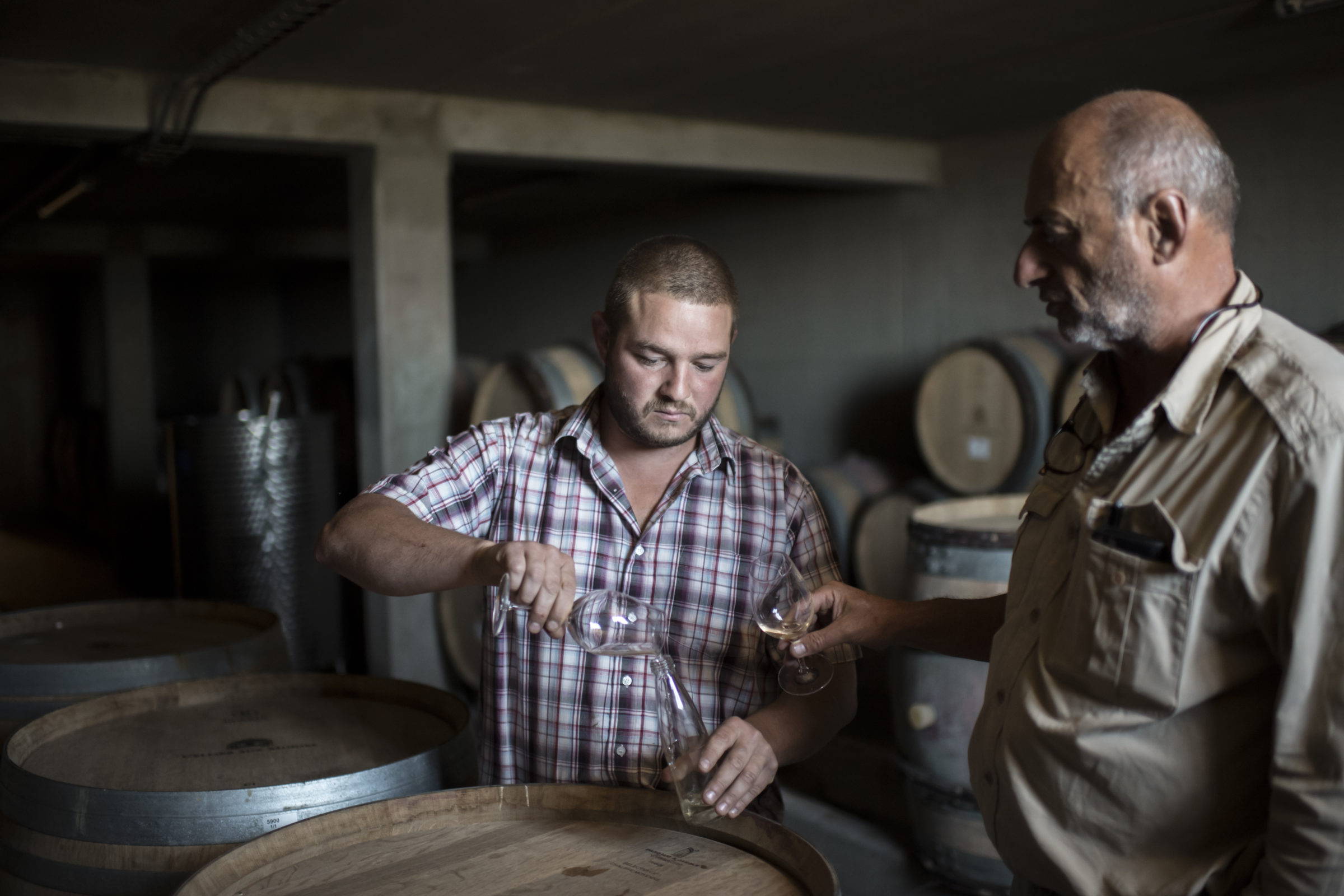
In 2015, the estate made a pivotal hire: winemaker and vineyard director Guillaume Marko, who brought deep experience from esteemed Burgundy domaines such as Domaine de la Romanée‑Conti and Arnoux‑Lachaux. Under Marko’s stewardship, the domaine strengthened its farming and winemaking practices while embracing sustainability. 
Domaine du Cellier aux Moines stands among the oldest and most compelling wine estates in Burgundy. Founded around 1130 by Cistercian monks of the Abbey of La Ferté, the estate was a viticultural center for nearly seven centuries, its name Cellier aux Moines a testament to its monastic heritage.

Over time, the estate changed hands and purpose, passing into private ownership after the French Revolution. In 2004, Philippe and Catherine Pascal, together with their children Camille, Marguerite, and Alexis purchased the historic property and began a meticulous restoration that breathed new life into both the vineyards and the ancient stone buildings. 

Under Philippe Pascal’s leadership, Cellier aux Moines has become a powerhouse for thoughtful, terroir‑driven Burgundies. Pascal a former executive in the luxury wine and spirits world has poured resources and energy into revitalizing the vineyards, replanting with superior Pinot Noir selections, and restoring the estate’s historic architecture.

In 2015, the estate made a pivotal hire: winemaker and vineyard director Guillaume Marko, who brought deep experience from esteemed Burgundy domaines such as Domaine de la Romanée‑Conti and Arnoux‑Lachaux. Under Marko’s stewardship, the domaine strengthened its farming and winemaking practices while embracing sustainability. 

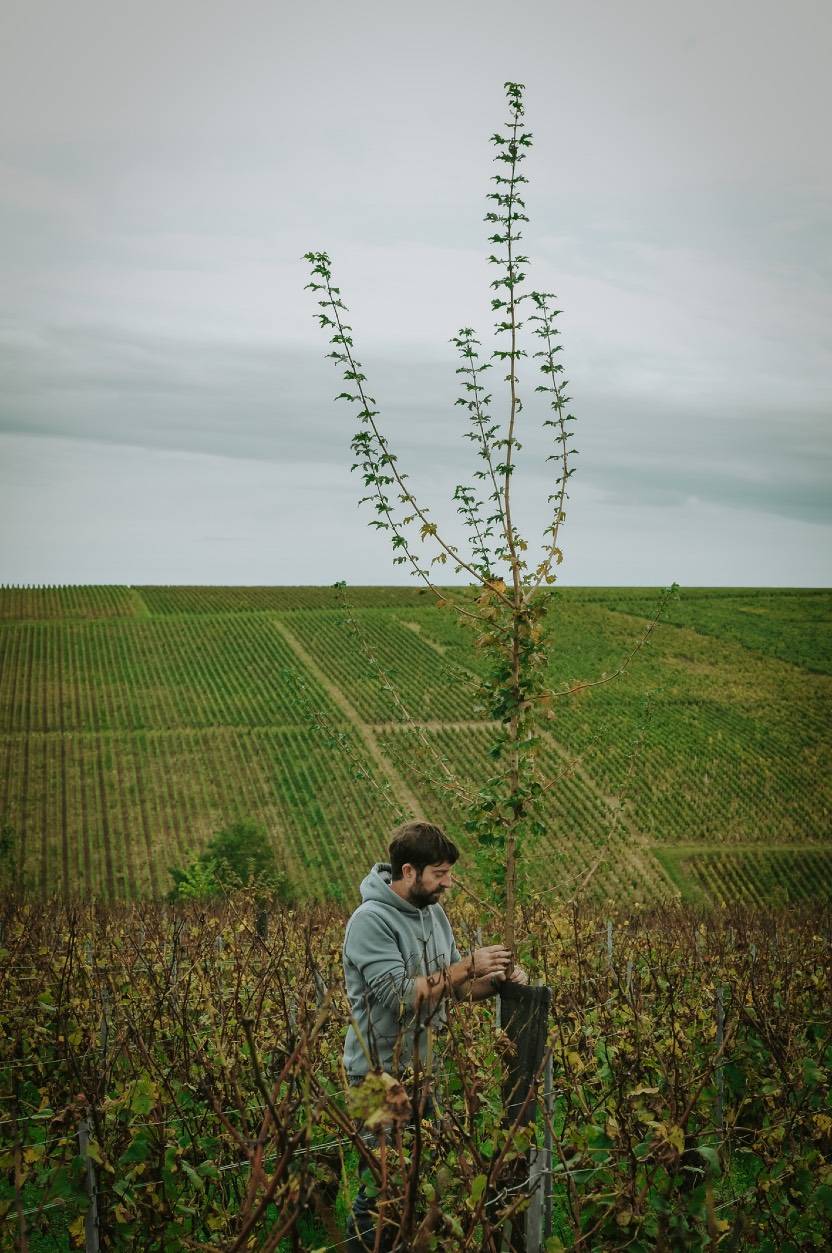
Early in their tenure, the Pascals ceased herbicide and pesticide use (since 2006) and undertook a holistic conversion of their viticulture. Their efforts culminated in Givry’s first certified organic estate (certification achieved in 2020), and they have continued expanding into biodynamic farming in recent years.


The domaine’s vineyards are centered on the historic Clos du Cellier aux Moines a Premier Cru classified site in Givry with about 5 hectares planted to Pinot Noir surrounding the original monastic cellar. Above this lies the walled Clos Pascal, a small parcel (27 ares) replanted in 2010 after decades of lying fallow following the phylloxera crisis. 


Over time, the estate has also expanded with carefully selected vineyard holdings and offers a range of wines from Burgundy’s Côte Chalonnaise and Côte de Beaune, including village and Premier Cru sites in Mercurey, Puligny‑Montrachet, Chassagne‑Montrachet, Santenay, and Montagny. 
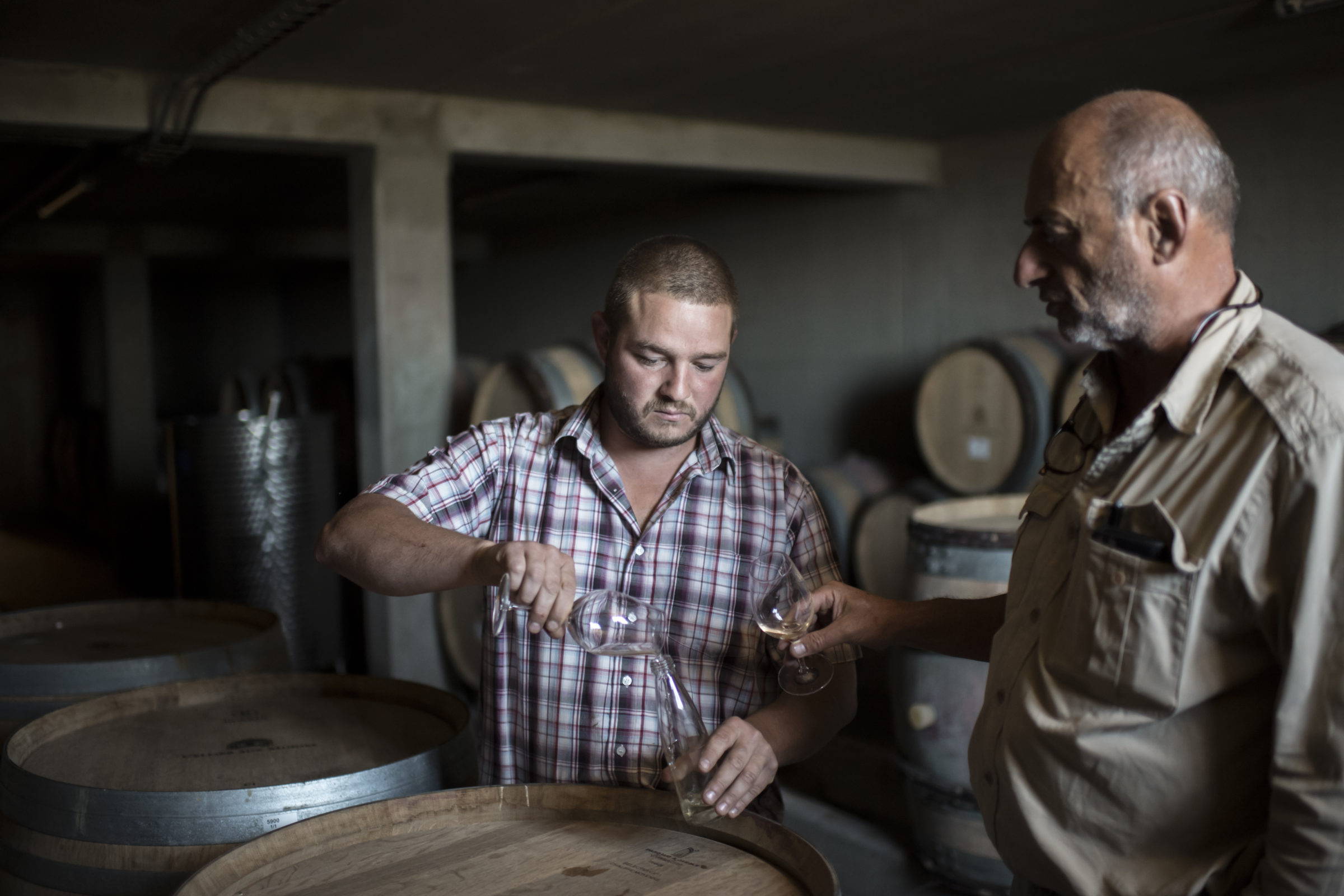
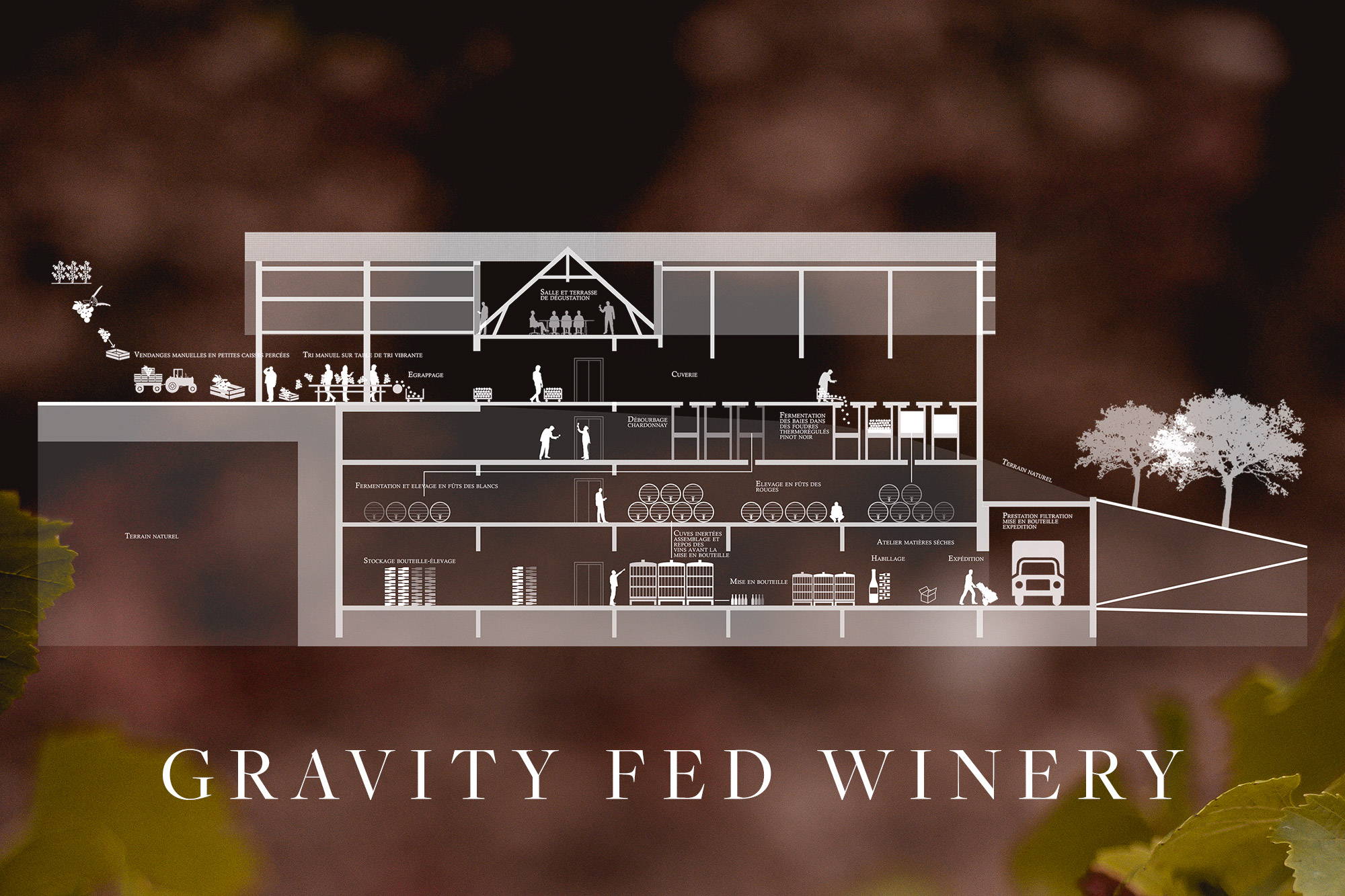
One of the most striking features of the estate is its gravity‑fed winery, built with minimal mechanical intervention in mind. Designed across four levels, three of them underground in a former quarry, the facility allows grapes, juice, and wines to move by gravity alone, minimizing oxidation and enhancing precision in handling. 

The wines of Domaine du Cellier aux Moines are marked by elegance, purity, and a compelling sense of site:
- Clos du Cellier aux Moines, Givry Premier Cru: the flagship red Pinot Noir; recent vintages (like 2019) have been celebrated for their depth and precision, reflecting both the quality of the terroir and the success of the domaine’s transformation. 

- Clos Pascal, Givry Monopole: a standout bottling from the walled vineyard replanted by the Pascals, noted for its expressive aromatics and textural finesse. 
Across reds and whites, the domaine’s portfolio represents the potential of lesser‑known Burgundy appellations to produce wines of structure, clarity, and long‑term promise.
One of the most striking features of the estate is its gravity‑fed winery, built with minimal mechanical intervention in mind. Designed across four levels, three of them underground in a former quarry, the facility allows grapes, juice, and wines to move by gravity alone, minimizing oxidation and enhancing precision in handling.

The wines of Domaine du Cellier aux Moines are marked by elegance, purity, and a compelling sense of site:
- Clos du Cellier aux Moines, Givry Premier Cru: the flagship red Pinot Noir; recent vintages (like 2019) have been celebrated for their depth and precision, reflecting both the quality of the terroir and the success of the domaine’s transformation.

- Clos Pascal, Givry Monopole: a standout bottling from the walled vineyard replanted by the Pascals, noted for its expressive aromatics and textural finesse. 
Across reds and whites, the domaine’s portfolio represents the potential of lesser‑known Burgundy appellations to produce wines of structure, clarity, and long‑term promise.

REGION OF PRODUCTION

Burgundy - France


APPELLATION

Givry, Mercurey, Puligny‑Montrachet, Chassagne‑Montrachet, Santenay, Montagny


FOUNDED

1130

VINEYARD

10.5 ha


CLIMATE

Temperate climate


SOIL COMPOSITION

Clay-limestone soil on Kimmeridgian marls


VARIETIES GROWN

Chardonnay, Aligoté, Pinot Noir


AGRICULTURE

Biodynamic

WINES OF THE DOMAIN

Search