







































CHAMPAGNE LA ROGERIE
François Petit & Justine Boxler
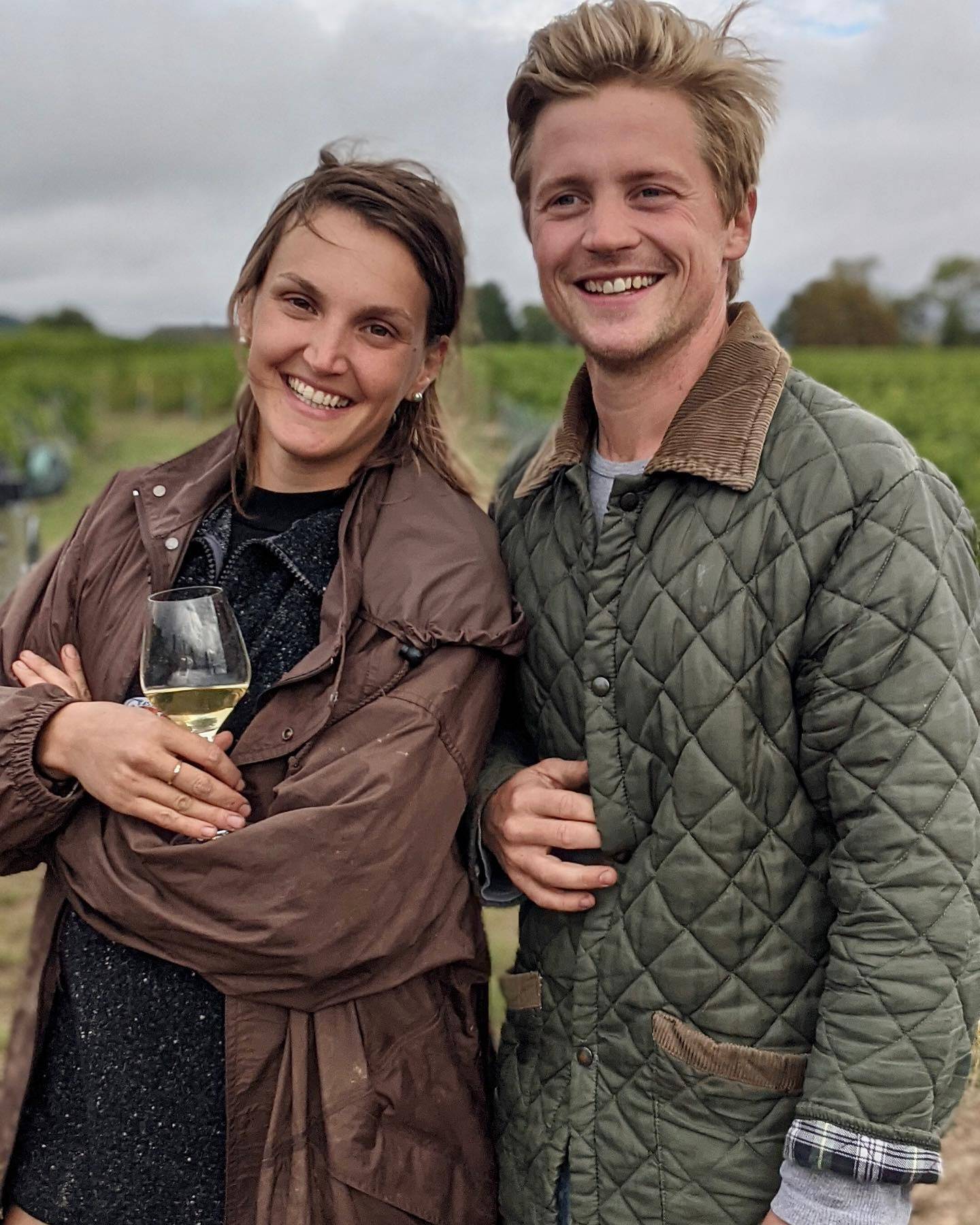
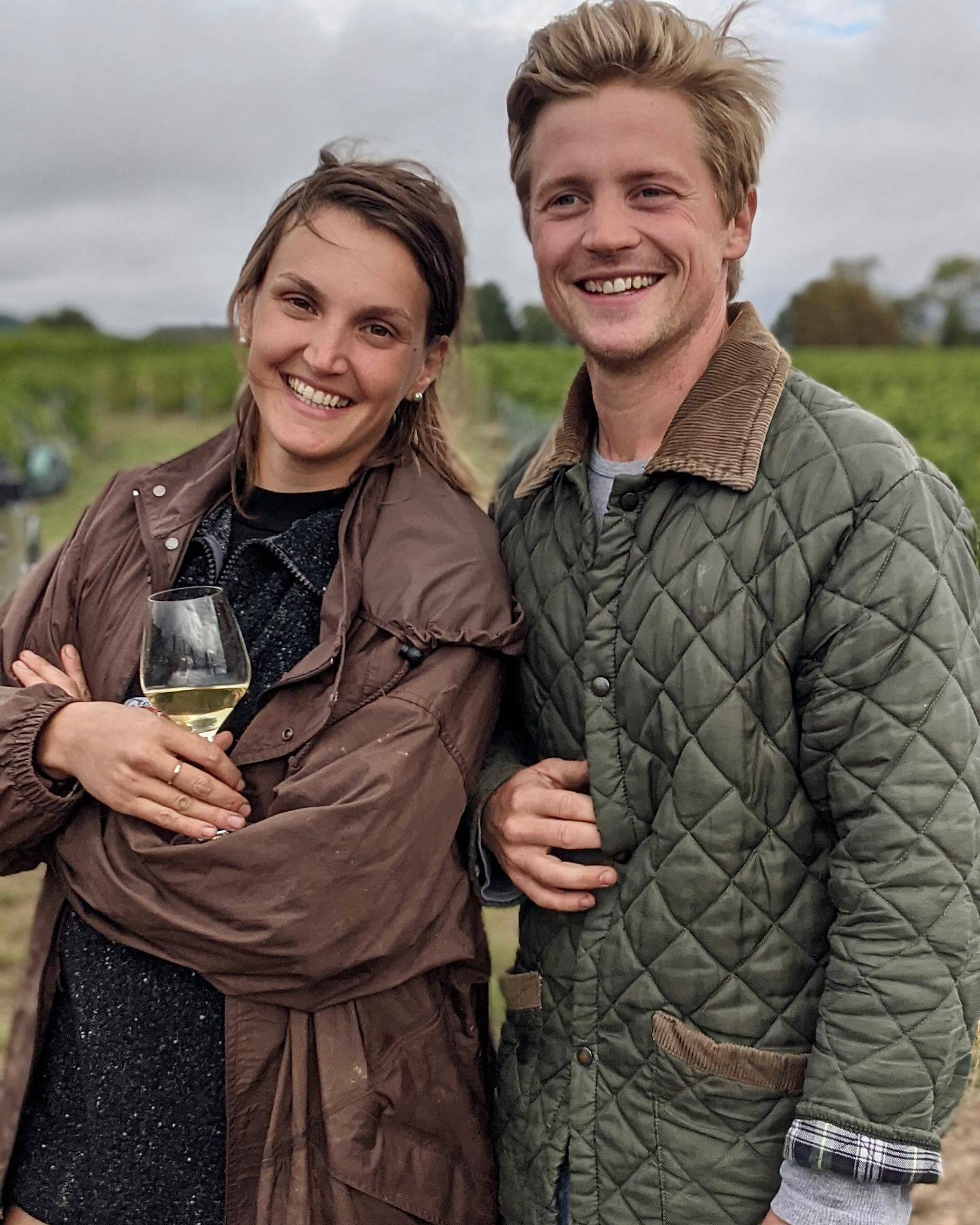
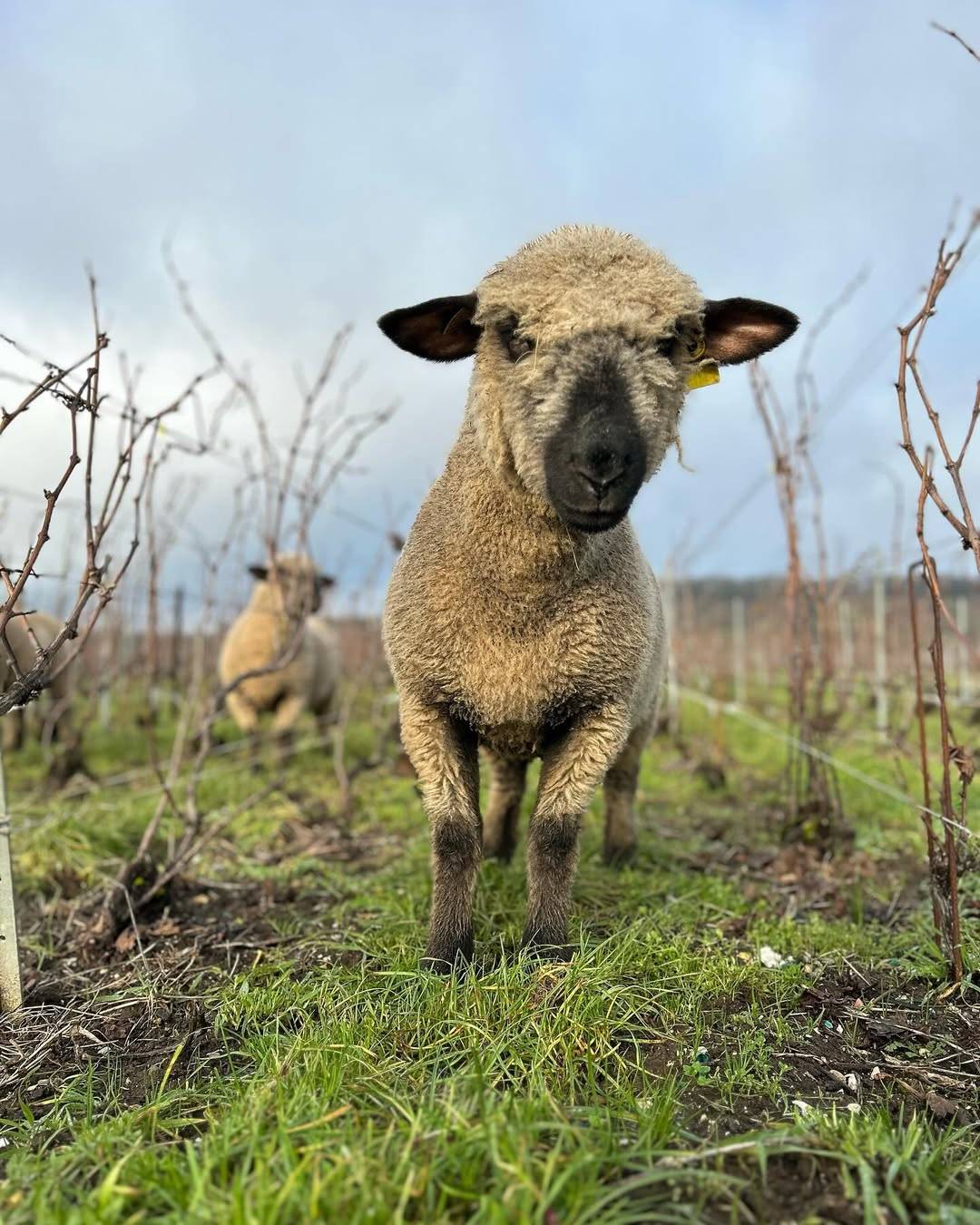
Alsace is two hectares, and they are the right two. Riesling on the granite of the Sommerberg at Niedermorschwihr, south-facing and pitched at forty-five degrees, the vines rooted more or less directly in rock; Riesling in the Brand at Turckheim, granite under a thin skin of clay and the last parcel picked each year; Riesling in the Florimont at Katzenthal, on limestone between 250 and 280 metres. The farming is certified organic, the yields fifteen to twenty hectolitres per hectare.
Where the Brand turns clayey and vigorous, vegetables are sown between the rows to compete with the vine and slow it down, so that the berries stay small and sound. Old Muscat has been grafted over to Pinot Noir to make use of a root system half a century deep. That cellar holds no oval foudres and no tanks of consequence, only small round barrels, many of them retired from Champagne. Fermentations start on their own, malolactic follows as a matter of course, and the wines rest eleven or twelve months without sulfur until bottling.
Picking is early by local habit, the Brand in 2023, latest of all their parcels, came in at 12.5 degrees potential. Each plot is vinified apart, which is why the Turckheim village wine appeared in 2022 under the name of its parcel, Schneid. Even the bottle argues the point, Burgundian in shape rather than the flûte, and the wines follow it westward, less fruit and breadth than tension and salt. Four and a half hectares in all, barely eleven acres, split between two of the most scrutinised appellations in France and worked by two people who could plausibly have chosen one. The quantities are correspondingly small: three thousand bottles of a lieu-dit champagne, five hundred of the Brand in 2023, four hundred of the Florimont. What travels between the two houses is not a recipe but a temperament. A decade in, both halves are still moving.
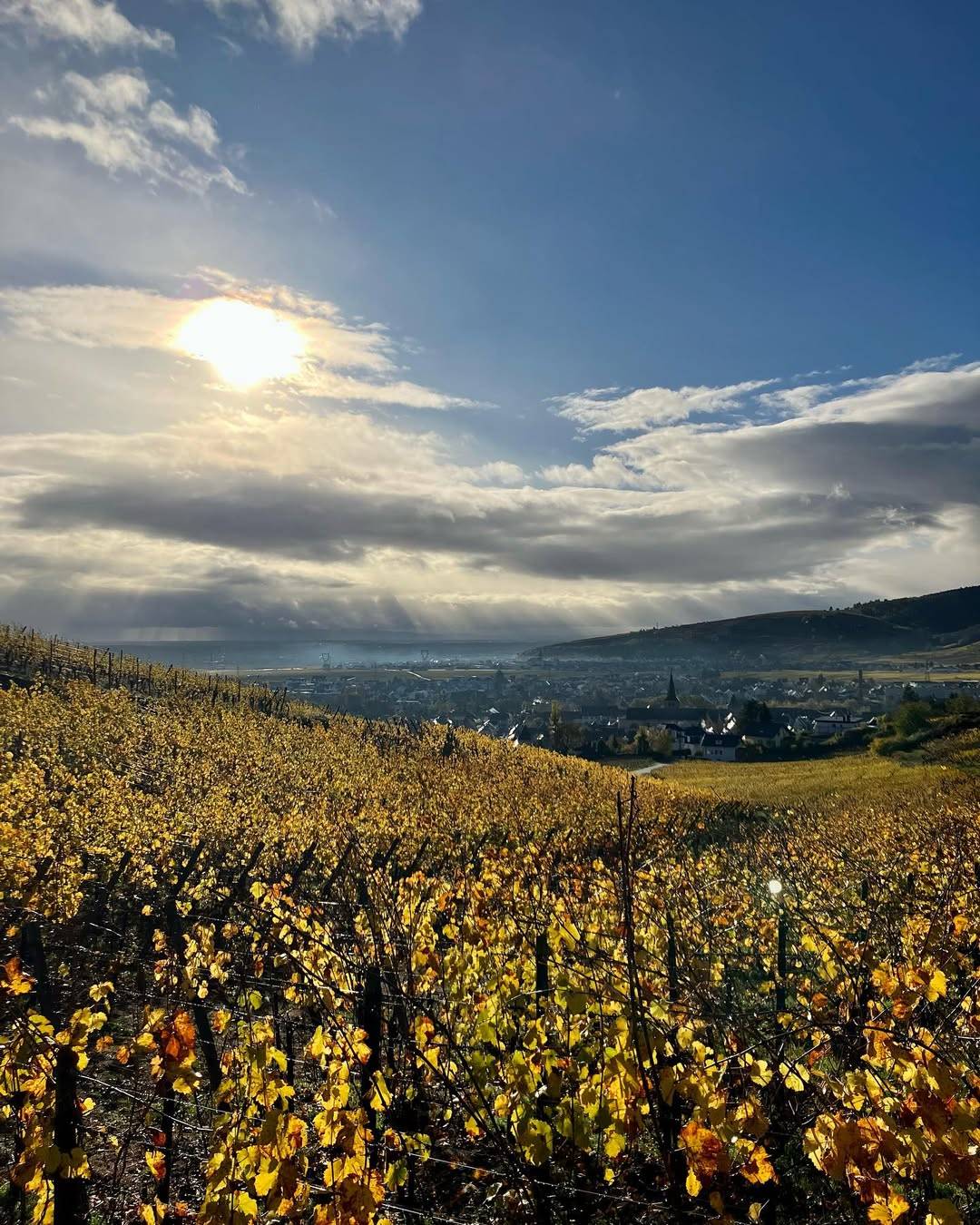
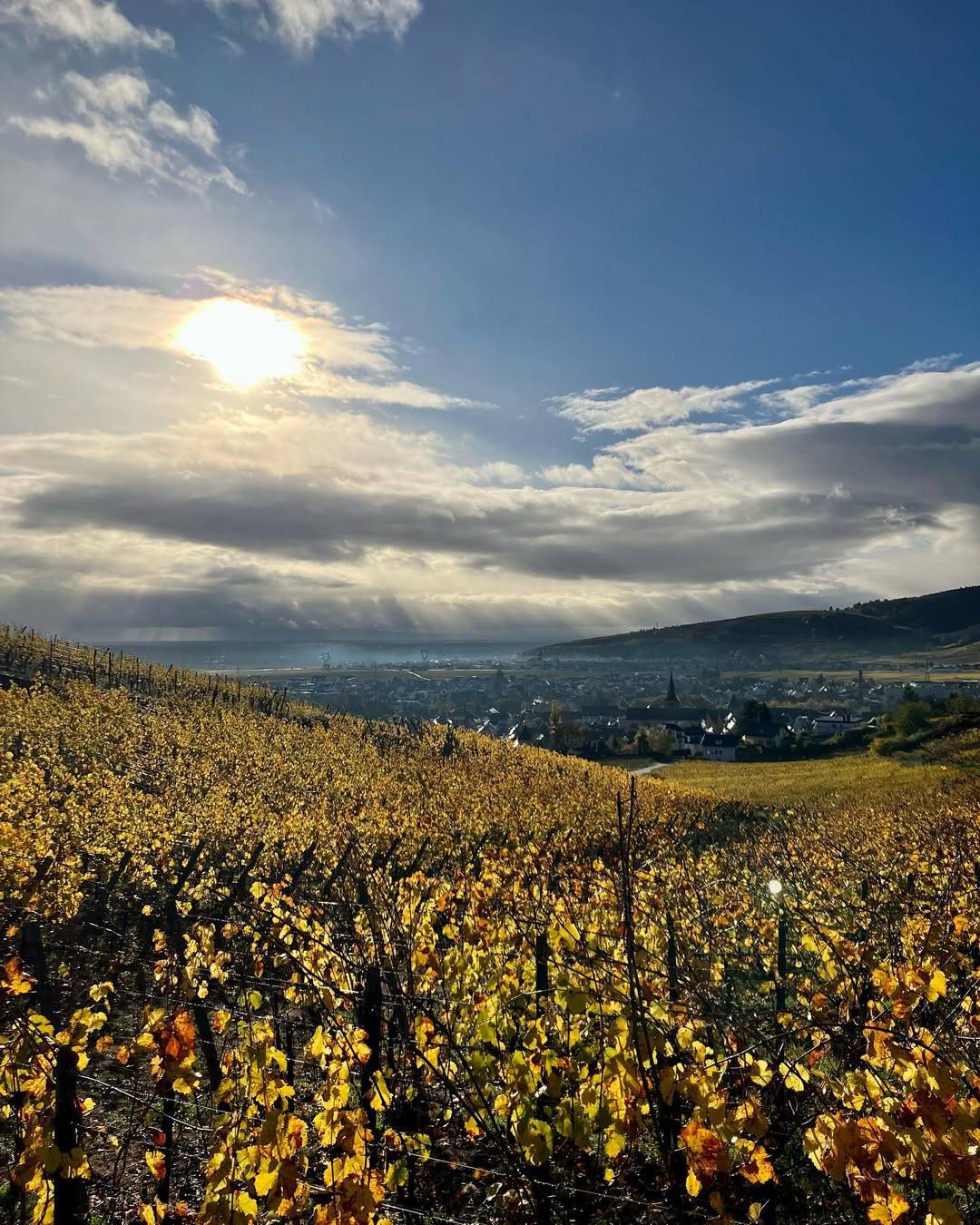
Alsace is two hectares, and they are the right two. Riesling on the granite of the Sommerberg at Niedermorschwihr, south-facing and pitched at forty-five degrees, the vines rooted more or less directly in rock; Riesling in the Brand at Turckheim, granite under a thin skin of clay and the last parcel picked each year; Riesling in the Florimont at Katzenthal, on limestone between 250 and 280 metres. The farming is certified organic, the yields fifteen to twenty hectolitres per hectare.
Where the Brand turns clayey and vigorous, vegetables are sown between the rows to compete with the vine and slow it down, so that the berries stay small and sound. Old Muscat has been grafted over to Pinot Noir to make use of a root system half a century deep. That cellar holds no oval foudres and no tanks of consequence, only small round barrels, many of them retired from Champagne. Fermentations start on their own, malolactic follows as a matter of course, and the wines rest eleven or twelve months without sulfur until bottling.
Picking is early by local habit, the Brand in 2023, latest of all their parcels, came in at 12.5 degrees potential. Each plot is vinified apart, which is why the Turckheim village wine appeared in 2022 under the name of its parcel, Schneid. Even the bottle argues the point, Burgundian in shape rather than the flûte, and the wines follow it westward, less fruit and breadth than tension and salt. Four and a half hectares in all, barely eleven acres, split between two of the most scrutinised appellations in France and worked by two people who could plausibly have chosen one. The quantities are correspondingly small: three thousand bottles of a lieu-dit champagne, five hundred of the Brand in 2023, four hundred of the Florimont. What travels between the two houses is not a recipe but a temperament. A decade in, both halves are still moving.
REGION OF PRODUCTION
Avize, Champagne · Niedermorschwihr, Alsace - France
APPELLATION
Champagne
FOUNDED
2015
VINEYARD
2.4 ha in Champagne · 2 ha in Alsace
CLIMATE
Ocean and continental climate
SOIL COMPOSITION
Chalk in Champagne · Granite in Alsace
VARIETIES GROWN
Chardonnay, Riesling
AGRICULTURE
Organic